
Typical range
About $150 to $450
Quick Answer
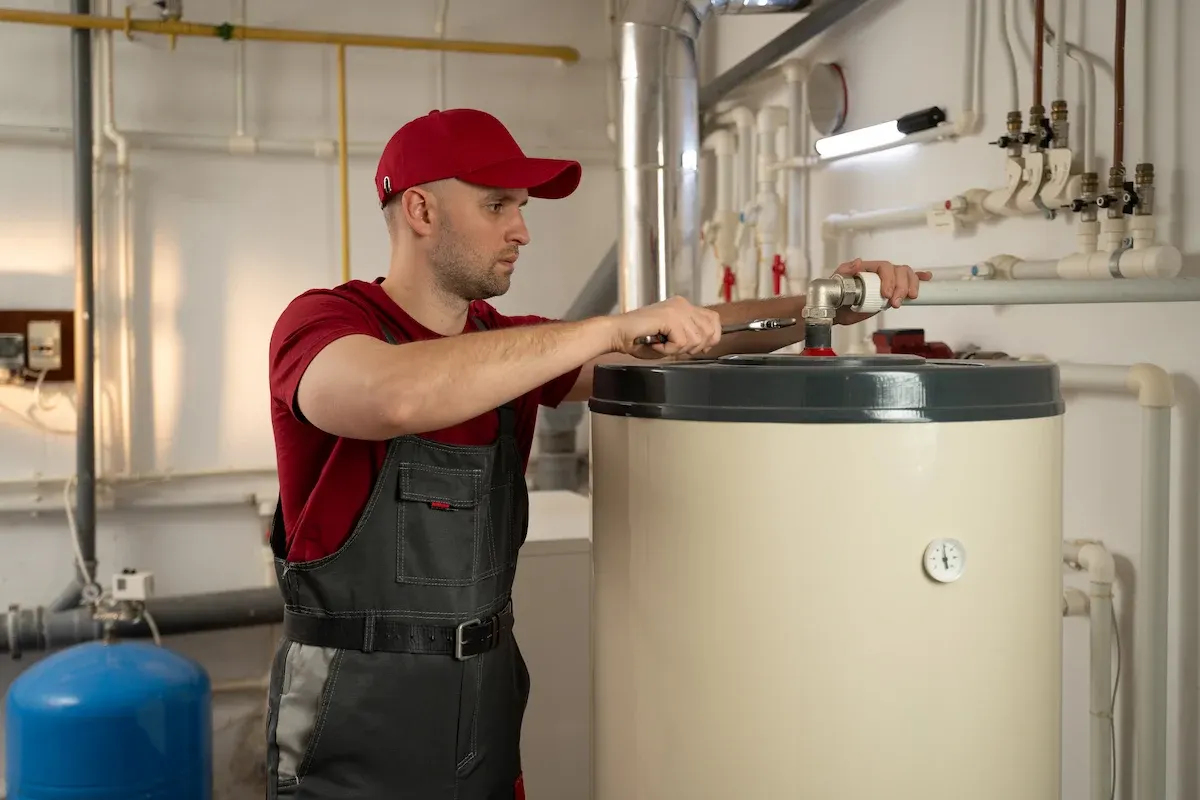
We perform residential water heater flushes, sediment removal, and anode rod inspections across Pierce and South King County from our Buckley shop. Routine tank flushing and anode checks typically run about $150 to $450 depending on sediment buildup and whether anode inspection is included.
24/7 Emergency Service Available





Dissolved calcium and magnesium settle out of heated water and form a sandy layer of sediment on the floor of your water heater tank. Left alone, that insulating blanket forces burners or lower elements to run longer, causes loud popping noises, and accelerates corrosion inside the steel tank.
From our Buckley shop on State Route 410, we provide scheduled tank flushing and anode inspections across Buckley, Lake Tapps, Bonney Lake, Enumclaw, Puyallup, Auburn, and Graham. Regular maintenance keeps a healthy heater running quietly and spots wear early.
We shut off power or set the gas valve to pilot, close the cold-water inlet, and attach a drain hose routed to a safe discharge point.
We drain the tank and cycle clean cold bursts through the dip tube to stir up and clear settled calcium and mineral grit until runoff clears.
When included, we inspect the sacrificial anode rod for wear, refill the tank completely to purge air, and restore heat.
About $150 to $450
Book a maintenance visit Monday through Friday, 8:00 AM to 6:00 PM Pacific by calling (253) 525-1105.
When the tank shell is dry and the heater simply holds mineral sediment or a worn anode rod, flushing the tank and checking the anode protects the steel lining and restores quieter, more consistent heating.
If an older tank has never been flushed in many years and is already weeping water around the base seam, flushing will not seal a rusted-through cylinder—in that situation we walk you through tank water heater replacement options instead.
A residential tank flush with sediment removal, or a combined flush and anode rod inspection, typically runs about $150 to $450 depending on scope and tank condition.
The anode rod corrodes intentionally to protect the steel water heater tank from rusting through. Inspecting it during a flush shows whether the tank still has active corrosion protection.
Popping and rumbling usually happen when water trapped beneath a layer of bottom sediment boils. Clearing that mineral layer typically quiets the tank and helps it heat more efficiently.
No. If water is leaking from the tank shell itself, internal rust has already breached the cylinder and replacement is needed. We inspect the unit before flushing so you never pay for maintenance on a failed tank.
Monday–Friday: 8:00 AM – 6:00 PM (Pacific)